
Residential Solar Installation Sydney
Residential Solar Installation in Sydney: The Complete Guide
Thinking about residential solar installation in Sydney because power bills keep climbing? You’re not alone. Most households want lower costs and a bit more control, especially during hot spells and storm season. Still, Sydney homes vary a lot, roof space, shade from trees, and salty coastal air all change what works.
This guide keeps it practical, so you can make smarter choices in Solar Sydney before you lock in a quote.
Is your roof a good fit for solar in Sydney?
Before you call anyone, do a quick “roof reality check”. Solar works best when panels get steady sun, and when the roof can safely carry them for decades. Sydney weather can swing from harsh sun to heavy rain, so it pays to confirm the basics now, not after you’ve paid a deposit.
Sun, shade, and roof direction: what matters most
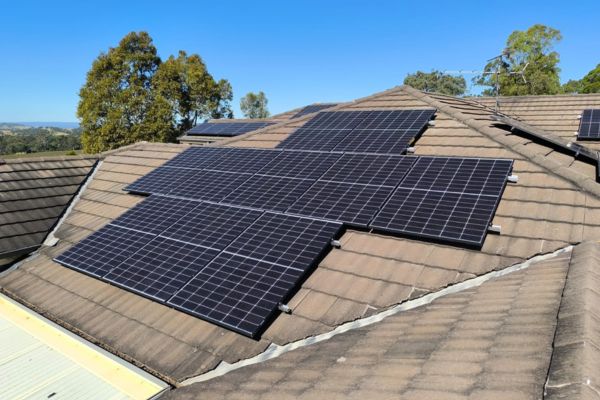
In Australia, north-facing roof space usually gives the best output. However, east-facing roofs still catch strong morning sun, and west-facing roofs can suit afternoon-heavy use. The real output killer is shade.
Look for trees, chimneys, antennas, and nearby buildings. Then do a simple check: stand outside in the morning, at midday, and late afternoon. If the roof stays shaded for long stretches, your system may need a different layout, or you may need to trim vegetation (where allowed).
Roof condition, space, and safety basics
If your roof is near end-of-life, fix it first. Replacing tiles under panels later costs more. Metal roofs are often simpler to work with, while tiled roofs can need extra care to avoid cracking.
Also check access. Installers need safe roof entry and a solid place for the inverter. Finally, ask early about your switchboard, older boards sometimes need an upgrade before solar can be connected.
Choosing the right system size and parts (without overpaying)
A good system feels like a well-sized rainwater tank. Too small and you still rely on the grid, too big and you’ve paid for water you can’t store. Many Solar Installers Sydney will start with your usage pattern, not just roof size.
How to match system size to your power use
Pull out recent bills and note your average daily use, plus when you use power. Households that run appliances in the middle of the day (working from home, dishwashers, pool pumps) can use more of their own solar, which improves value.
If budget is tight, consider “solar now, battery later”. That keeps upfront cost down while leaving room to add storage if your evening use grows, or if you buy an EV.
Panels, inverters, and warranties: the short checklist
Keep it simple:
- Choose reputable panels with clear testing and support.
- Pick an inverter suited to your roof, string inverters are common, while microinverters can help on mixed or shaded roofs.
- Make sure you get monitoring, so you can spot issues early.
- Compare product and performance warranties, and confirm who handles claims.
- Near the coast, ask about corrosion resistance and storm durability.
What the Sydney installation process looks like, step by step
Solar should feel organised, not confusing. In most cases, it’s a short path from quote to switch-on, as long as the paperwork is handled properly.
From quote to design: what to ask before you sign
Ask for a site visit or strong remote assessment with photos. Confirm the shading review, an estimated yearly output, and an itemised quote. Also check who does the electrical work, and get a clear timeline. It’s smart to collect at least two quotes, then compare like-for-like inclusions.
Approvals, installation day, and grid connection
Your installer should lodge the network paperwork and keep you updated. Installation often takes a day for many homes, although switchboard work can add time. After fitting, the system is checked, then you’ll get the go-ahead to turn it on. A good installer (for example, Green Ultimate) will manage the approvals and explain what happens next.
If the quote doesn’t spell out approvals, switchboard allowances, and monitoring, ask before you sign.
Conclusion
A smooth solar result comes down to three things: a roof that gets reliable sun, a system sized to your real usage, and a clear install plan with no surprises. To speed up quotes, grab a recent bill and take a few photos of your roof and switchboard. If you’re ready, book an assessment or compare quotes, and choose a team you trust, including Green Ultimate if they service your area.