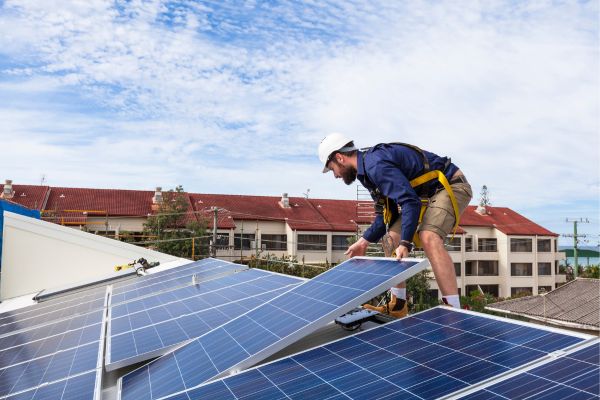

Residential Solar System
Is Solar Still Worth It in 2026? A Guide for Australian Homeowners
Solar power has become a familiar sight across Australian homes, but with changes in electricity prices, solar technology and battery storage, many homeowners are asking an important question: Is solar still worth it in 2026?
For many Australian households, residential solar remains an attractive way to generate electricity at home and reduce reliance on electricity purchased from the grid.
However, choosing solar in 2026 is about more than simply installing panels. The right system should be designed around your home's electricity consumption, roof space, energy usage patterns and future requirements.
Green Ultimate provides solar energy solutions designed to help Australian homeowners make better use of renewable energy and choose systems suited to their individual requirements.
Why Are Australians Still Choosing Solar in 2026?
Solar allows homeowners to generate electricity from sunlight and use that energy within their property.
Instead of relying entirely on electricity purchased from the grid, a residential solar system can provide part of the home's electricity requirements during daylight hours.
The value of solar depends on how much electricity the household uses, when that electricity is consumed and how effectively the solar system is designed.
This is why choosing the right system size is important.
Green Ultimate provides residential solar power systems designed around factors such as household electricity requirements, roof size, property location and budget. Its residential systems are available in different capacities to suit different homes.
How Does Residential Solar Work?
A residential solar system typically consists of solar panels, an inverter and associated electrical equipment.
Solar Panels
Solar panels capture sunlight and convert it into DC electricity.
The amount of electricity generated depends on several factors, including:
- Solar system capacity
- Roof size
- Roof orientation
- Shading
- Weather conditions
- Available sunlight
Solar Inverter
The inverter converts the electricity generated by the panels into usable electricity for the home.
It is an essential part of the solar system and needs to be appropriately matched to the system's requirements.
Household Electricity
The electricity generated by the solar panels can be used by household appliances while the system is producing energy.
Any surplus electricity may be exported to the electricity grid, subject to the applicable electricity retailer and network arrangements.
Can Solar Still Help Reduce Electricity Costs?
One of the main reasons homeowners consider solar is the potential to reduce the amount of electricity they need to purchase from the grid.
The actual savings will vary from household to household.
Factors that can influence the outcome include:
- Electricity consumption
- Solar system size
- Electricity tariffs
- Solar generation
- Household usage patterns
- Export arrangements
- System installation cost
For this reason, there isn't one guaranteed saving that applies to every solar installation.
A properly sized system should aim to match the property's electricity requirements rather than simply installing the largest possible system.
How Much Solar Does Your Home Need?
Choosing the correct system size is one of the most important decisions when installing residential solar.
A small household with relatively low electricity consumption may have very different requirements from a larger family home with air conditioning, electric cooking and other high-energy appliances.
Green Ultimate offers residential solar systems in different capacities, including 1.5kW, 2kW, 3kW, 4kW, 5kW, 7kW, 8kW and 10kW systems. You can explore the available residential solar power system options to understand the solutions available for different household requirements.
The appropriate system depends on the property and household rather than simply choosing a particular number of kilowatts.
Does Roof Size Matter?
Yes.
The available roof area can influence how many solar panels can be installed and how the system can be configured.
A solar assessment should consider:
- Available roof space
- Roof orientation
- Shading
- Panel placement
- Existing electrical infrastructure
- Household electricity requirements
A roof with good exposure to sunlight can provide a suitable location for residential solar panels, while shading from trees, buildings or other structures should be considered during system planning.
Solar Panels or Solar With Battery Storage?
Battery storage has become an increasingly important consideration for Australian homeowners.
A standard solar system generates electricity when sunlight is available. A battery provides an additional way to store surplus solar energy for use later.
Solar Without Battery Storage
A solar-only system can be suitable for households that use a significant amount of electricity during daylight hours.
For example, solar electricity can be used directly to power appliances while the panels are generating electricity.
Solar With Battery Storage
A battery can store surplus solar electricity rather than having all excess generation exported to the grid.
The stored electricity can then be used later, including during periods when the solar panels are not generating.
Green Ultimate provides residential battery solutions and solar-plus-storage options for homeowners looking to incorporate energy storage into their system. Learn more about the available residential solar and battery solutions .
Whether a battery is worthwhile depends on factors such as electricity consumption, usage patterns, battery capacity, system cost and expected energy requirements.
Why Battery Storage Is Trending in 2026
Australia's residential energy market is increasingly moving toward a combination of solar generation and battery storage.
The Clean Energy Council reported strong growth in household battery installations during the first half of 2026, reflecting increasing interest in storing electricity generated by rooftop solar.
For homeowners, this means solar planning is no longer necessarily limited to choosing panels.
A modern residential energy system may involve:
Solar panels → Inverter → Household electricity → Optional battery storage
This allows homeowners to consider how electricity is generated, used and stored as part of one system.
What Should You Consider Before Installing Solar?
Before investing in a residential solar system, consider the following.
1. Your Electricity Consumption
Review your recent electricity bills to understand how much energy your household actually uses.
2. When You Use Electricity
Think about whether your highest electricity consumption occurs during the day or evening.
This can help determine whether solar generation alone is suitable or whether battery storage should also be considered.
3. Your Roof
Available roof space, orientation and shading can all affect solar generation.
4. System Size
A larger system is not automatically the best choice.
The system should be appropriately sized according to your electricity requirements and available installation space.
5. Future Energy Needs
Consider whether your household electricity consumption could increase in the future.
New appliances, electric vehicles, home improvements or changes in household occupancy can all affect future energy requirements.
6. Equipment and Warranty
Look at the panels, inverter and other components as a complete system.
Equipment specifications, warranty terms and expected performance are all worth considering when comparing solar options.
Is Solar a Good Investment in 2026?
For many Australian homeowners, residential solar can still make sense in 2026.
However, the value of a solar system depends on the individual property and how the system is used.
A well-designed system can help a household generate electricity during daylight hours and potentially reduce the amount of electricity purchased from the grid.
The key is to focus on system suitability rather than simply the cheapest installation price.
A quality solar system should be appropriately sized, professionally installed and designed around the home's actual energy requirements.
Choosing Residential Solar in 2026
Solar technology has developed considerably, giving homeowners more options than ever.
When comparing residential solar systems, consider:
- Solar panel quality
- Inverter technology
- System capacity
- Roof suitability
- Battery compatibility
- Warranty coverage
- Installation quality
- Household energy requirements
- Future energy needs
Green Ultimate provides residential solar solutions with system options designed for different household requirements.
The company can help homeowners consider the appropriate combination of solar panels, inverters and battery storage based on their property and energy needs.
Final Thoughts
So, is solar still worth it in 2026?
For many Australian homeowners, the answer can be yes.
Residential solar can provide an opportunity to generate electricity at home, reduce reliance on grid electricity and take greater control over household energy use.
But there is no single solar system that is right for every property.
The best approach is to consider your electricity consumption, roof space, solar potential, system size and whether battery storage could benefit your household.
In 2026, choosing solar isn't just about installing panels. It's about choosing a residential energy system that works for the way your home uses electricity.
To learn more about residential solar solutions, visit the Green Ultimate Residential Solar Power Systems service page.