
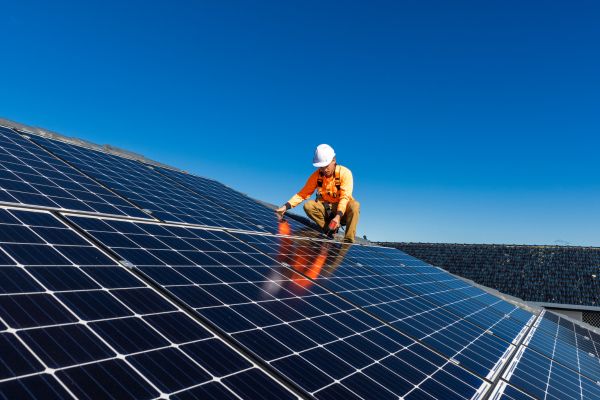
Commercial Solar Power System 2026
How Much Can a Commercial Solar Power System Save Your Business in 2026?
Electricity is a major operating expense for many Australian businesses. As energy costs continue to affect business budgets, more companies are looking at commercial solar power as a way to generate electricity on-site and reduce their reliance on the grid.
But one of the biggest questions business owners ask is: How much can a commercial solar power system actually save in 2026?
There is no single figure that applies to every business. Your potential savings depend on factors such as electricity consumption, business operating hours, system size, roof space, electricity rates and how much of the solar energy your business uses during the day.
How Does Commercial Solar Reduce Business Electricity Costs?
Solar panels generate electricity during daylight hours. When your business uses that electricity directly, you can reduce the amount of power you need to purchase from your electricity retailer.
This is known as solar self-consumption.
For many businesses, using solar power directly can provide greater financial value than exporting excess electricity to the grid because the value of avoided electricity purchases can be higher than the credit received for exported energy.
For example, a business operating mainly during daylight hours may be able to use a significant portion of its solar generation while its equipment, lighting, air conditioning and other systems are running.
What Determines Your Commercial Solar Savings?
Every business has a different energy profile, so the potential savings from solar need to be calculated around the individual property.
1. Your Electricity Usage
Businesses with higher electricity consumption may have greater opportunities to use solar generation on-site.
Your electricity bills can help identify how much energy your business uses and when that energy is being consumed. Smart-meter or interval data can provide an even clearer picture of your usage patterns.
2. The Size of Your Solar System
The size of your commercial solar system affects how much electricity it can generate.
Green Ultimate provides commercial solar systems ranging from 20kW through to 500kW, with system sizing designed around the requirements of the business and property.
The right system is not necessarily the largest system that can fit on your roof. It should be designed around your electricity consumption, available roof area, budget and expected solar generation.
3. When Your Business Uses Electricity
Your operating hours can have a major impact on solar savings.
A business that uses significant amounts of electricity during daylight hours may be able to consume more of its solar generation directly. Businesses that use most of their electricity outside daylight hours may need to consider whether battery storage or other energy-management options are appropriate.
The Australian Government recommends considering both how much electricity a business uses and when it uses it when determining the appropriate solar system size.
4. Your Electricity Prices
The amount you pay for electricity also affects potential savings.
Each kilowatt-hour of solar electricity used by your business can reduce the amount of electricity purchased from the grid. The actual value of that saving depends on your electricity pricing plan.
Your solar installer can use your electricity bills and usage information to develop a more specific savings estimate.
Can Commercial Solar Help Reduce Operating Costs?
Yes, generating electricity on-site can reduce the amount of electricity a business needs to purchase from the grid.
Green Ultimate specifically positions its commercial solar solutions around reducing operating costs and helping businesses manage rising electricity expenses. The company provides customised commercial and industrial solar systems for different business requirements.
Over time, reducing electricity purchases can free up money that businesses may be able to use for other operating or growth expenses.
What About Excess Solar Electricity?
A solar system can sometimes generate more electricity than the business is using at a particular time.
Depending on the electricity plan and network arrangements, excess electricity may be exported to the grid in exchange for a feed-in credit. However, export payments are generally lower than the price businesses pay to purchase electricity from the grid, making self-consumption an important consideration when designing a commercial system.
This is one reason why choosing the appropriate system size is important.
Can a Battery Increase Commercial Solar Savings?
A battery can store electricity generated by solar panels during the day and make that energy available later.
For a business that uses substantial electricity outside solar-generation hours, battery storage may increase the amount of solar energy it can consume rather than purchasing as much electricity from the grid.
Batteries can also potentially help businesses reduce peak demand or take advantage of time-of-use electricity pricing. However, the additional purchase and installation cost means a battery is not automatically the most economical option for every business.
Green Ultimate also provides solar battery, hybrid and off-grid solar solutions alongside commercial solar installations.
Are There Government Incentives for Commercial Solar?
Australian businesses may be eligible for government incentives depending on the type and size of their solar installation and the relevant eligibility requirements.
For eligible small-scale systems, Small-scale Technology Certificates (STCs) can provide an upfront financial benefit. The value depends on factors including system size and location, and eligibility requirements apply.
Businesses should check current eligibility requirements and speak with their accountant or solar provider about applicable incentives and tax treatment.
How Can You Estimate Your Business’s Solar Savings?
Rather than relying on a general percentage, businesses should obtain a calculation based on their actual electricity usage.
A proper assessment can consider:
- Current electricity consumption
- Business operating hours
- Electricity rates
- Solar system size
- Available roof space
- Roof orientation and shading
- Expected solar generation
- Self-consumption
- Potential grid exports
- Battery storage requirements
- Available incentives
- Estimated payback period
The Australian Government’s SunSPOT calculator can also provide businesses with estimates for system size, costs, annual bill savings and potential payback periods.
Is Commercial Solar Worth Considering in 2026?
For businesses with significant electricity consumption and suitable roof space, commercial solar can provide an opportunity to reduce grid electricity purchases and manage ongoing energy costs.
However, the potential financial outcome is different for every business. The best approach is to assess your electricity usage, operating schedule, property and future energy requirements before selecting a system.
Green Ultimate provides customised commercial solar solutions and considers factors such as system location, roof suitability, budget, system size, daylight hours, electricity usage, warranties, government incentives and expected ROI as part of its solar planning process.
Take the Next Step Towards Commercial Solar
A commercial solar power system can be more than an investment in renewable energy. For the right business, it can help reduce electricity purchases, lower operating costs and provide greater control over long-term energy expenses.
The amount your business can save in 2026 depends on your individual energy profile rather than a fixed percentage. A properly designed system can help match solar generation with the way your business actually uses electricity.
If you are considering commercial solar power in Sydney or elsewhere in Australia, getting a personalised assessment of your property and electricity usage is the best way to understand the potential costs, savings and payback period for your business.